

In online environment, a carefully crafted website is essential for any business aiming to have an influence and engage its audience. Narrative design holds a significant role in website design, where each element collaborates to convey your brand's message and engage visitors. As businesses increasingly recognize the value of their online presence, the need for skilled website designers has reached an all-time high. But how can web design agency pick the perfect designer who aligns with your vision and needs?
Exploring the world of web design might be intimidating, especially with a plethora of options available. Whether you are looking for a tailor-made site that reflects your distinct brand identity or thinking about a template design for affordable projects, understanding the qualities that define a professional website designer is essential. From identifying red flags during the hiring process to assessing portfolios, this guide aims to help you locate the ideal designer who not only translates your vision to life but also prioritizes user experience, mobile responsiveness, and SEO-friendly practices.
Picking the Right Web Designer
Picking the right web designer for your company is a vital decision that can greatly impact your web presence. Start by evaluating your specific needs and goals. Think about the type of website you need, such as a simple informational site, an online shopping platform, or a significantly complex application. This knowledge will help you select designers with the right expertise and skills that match your vision.
Once you have a precise idea of your needs, commence looking into potential designers. Search for portfolios that showcase their previous work and pay attention to the range of projects they have worked on. A robust portfolio is a good indicator of a designer’s skills and creativity. Additionally, think about their familiarity with your sector, as this could provide an extra advantage in understanding your distinct challenges and audience.
Ultimately, prioritize communication and compatibility when selecting a designer. Set up website design ireland or consultations to assess their reaction and willingness to partner. A skilled designer should be receptive to discussing your ideas and adapting their approach based on your suggestions. Establishing a strong working relationship will help ensure that the end product aligns with your objectives and represents your branding effectively.
Evaluating Web Designer Expertise
As you selecting a web designer, assessing their skills is essential to ensure they align with your business goals. Start by examining their portfolio to see the range of work they have finished. Seek for diversity in design styles and capabilities, as well as a distinct demonstration of how each website caters to its target audience. A strong portfolio will feature both published sites and examples that highlight the designer's thought process, problem-solving abilities, and outcomes achieved for past clients.
Besides reviewing their work, evaluate the designer’s technical capabilities. A qualified web designer should have experience with various CMS and coding languages like HTML, Cascading Style Sheets, and JS. Familiarity of SEO principles is equally crucial, as it significantly affects your website's exposure. Ask prospective designers about their familiarity with frameworks and tools that enhance user experience and responsive responsiveness, as these elements significantly influence the performance of your website.
Finally, interaction is a key sign of a designer’s expertise. A trusted web designer will dedicate effort to understand your brand identity, and they should be receptive to feedback and teamwork. During initial conversations, gauge their willingness to talk about design trends, usability, and incorporation of third-party resources. A designer who keeps up with web design trends and values user experience will likely be more successful in creating a site that not only is visually appealing but also functions well in meeting your company objectives.
Grasping Design Concepts
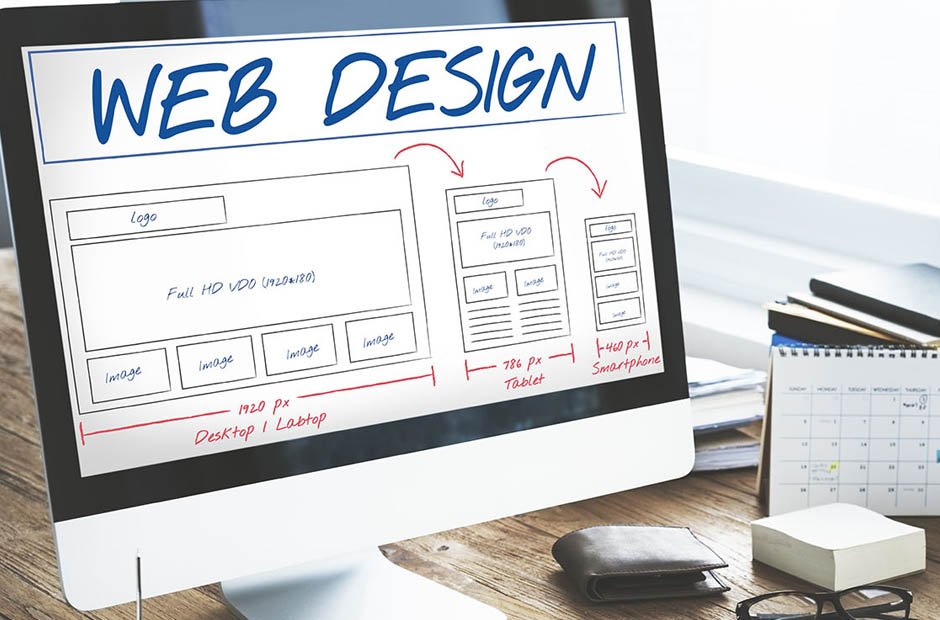
A solid grasp of design concepts is essential for any web designer aiming to create effective and aesthetically pleasing websites. These principles include balance, contrast, emphasis, movement, design patterns, recurrence, and alignment. Every concept plays a unique role in directing the audience’s eye and forming an intuitive flow of information. For instance, equilibrium ensures that components are distributed evenly across the page, while differentiation draws attention to crucial components, making them stand out. When these concepts are effectively applied, they improve the overall UX and create a harmonious aesthetic.
The theory of color is a further essential aspect of design principles that a web designer should know well. The selection of color can elicit emotions and affect the behavior of users, making it necessary to select a color scheme that matches with the identity of the brand. Designers should understand the psychological effects of different colors and how they can be used to inspire a specific response from users. Additionally, https://yamcode.com/website-design-for-non-profit-organizations-building-an-impact-online should ensure adequate readability and enhance other design elements, adding to a dynamic and functional website.
Ultimately, the concept of design focusing on users is essential. Creators must focus on the requirements and wants of the users. This includes conducting research on users, developing user personas, and continually testing designs based on the feedback from users. A site that is designed with a user-focused method not only meets the needs of its visitors but additionally boosts engagement and loyalty. By adhering to these concepts, a website designer can build a compelling online presence that successfully communicates the brand message and fosters user interaction.